
Complete Signage Glossary for Businesses — Commercial Sign Types and What They Mean
For any business, clear, well-designed effective signage is one of the simplest ways to be seen and understood. This glossary breaks down the most common sign types, materials, lighting options, design terms, and branding concepts you’ll run into when planning signage. Read on to get practical definitions and the context you need to choose signs that improve visibility, guide customers, and support your brand.
What Are the Most Common Commercial Sign Types Explained?
Signs serve different roles — from grabbing attention to directing people or reinforcing a brand. Knowing the most common types helps you match the right sign to the right purpose.
Examples you’ll frequently encounter include channel letters, monument signs, and pylon signs — each built to attract attention and communicate clearly in specific locations.
How Do Channel Letters Enhance Business Visibility?
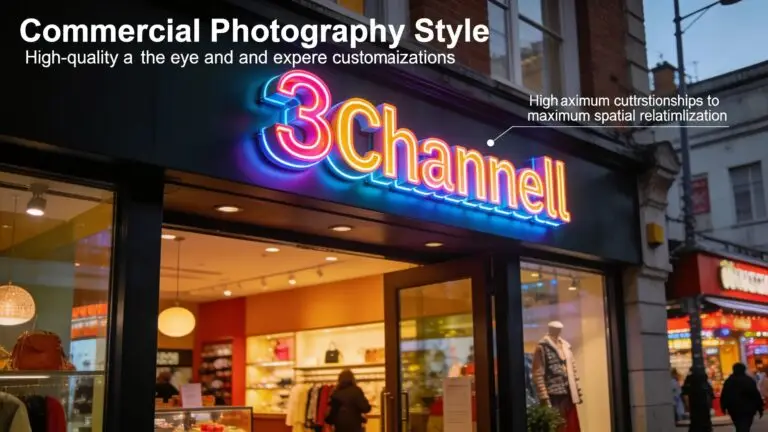
Channel letters are three-dimensional letters or logos made from metal or plastic, often lit from inside or with external fixtures. They offer high legibility at a distance and strong brand impact on storefronts. With options for color, font, depth, and lighting effects, channel letters let you reproduce a brand’s look while remaining visible in daylight and after dark.
What Are Monument and Pylon Signs?
Monument and pylon signs are freestanding, but they serve different needs. Monument signs sit low to the ground and use solid materials like stone, brick, or concrete for an anchored, professional presence at entrances or campuses. Pylon signs are taller and designed to be read from farther away — ideal for roadside visibility or multi-tenant locations. Both types guide traffic and boost wayfinding when placed and designed well.
Which Materials and Components Are Essential in Sign Fabrication?

Material choice affects durability, appearance, and cost. Common fabrication materials include vinyl, acrylic, aluminum, and polycarbonate (Lexan). Each has strengths suited to particular uses and environments.
What Are the Properties of Vinyl, Acrylic, Aluminum, and Lexan?
Vinyl is affordable, weather-resistant, and excellent for banners and decals where bold color matters. Acrylic is a lightweight, glass-like material that looks sleek indoors and outdoors but resists shattering better than glass. Aluminum is strong, corrosion-resistant, and a go-to for long-lasting exterior signs. Lexan (polycarbonate) offers exceptional impact resistance and clarity where strength and transparency are required.
How Do Sign Components Like Sign Face, Returns, and Backer Panels Function?
The sign face is the visible surface that carries your message. Returns are the side panels that give dimensional signs their depth. Backer panels provide structure and contrast behind the face to improve legibility. Understanding these parts helps you design signs that are both attractive and structurally sound.
How Does Illumination and Technology Impact Signage Effectiveness?

Lighting and digital tech dramatically extend when and how your signs communicate. From efficient LEDs to dynamic digital displays, the right choice improves visibility, energy use, and how often you can refresh content.
What Are LED, Neon, Backlit, and Halo-lit Signs?
LED signs are energy-efficient, durable, and versatile, making them a top choice for most businesses. Neon delivers bright, saturated color and a classic look that draws attention. Backlit signs light the face from behind for even night visibility, while halo-lit signs illuminate the returns to create a soft glow around letters for a premium, modern feel. Each method offers distinct visual effects and maintenance profiles.
What Is Digital Signage and Electronic Message Centers?
Digital signage and electronic message centers let you show videos, animations, and frequently changing text. They’re ideal for promotions, wayfinding updates, and timed messaging because content can be updated remotely and in real time. Used well, they increase engagement and let you adapt messaging to time of day, events, or customer behavior.
What Are Key Design, Fabrication, Installation, and Maintenance Terms?
Familiarity with common industry terms makes planning and managing signage easier and helps you communicate clearly with fabricators and permitting officials.
How Do Dimensional Letters, Die-Cut, Routing, and Vector Images Relate to Sign Design?
Dimensional letters add physical depth and shadow for visual interest. Die-cutting trims materials into precise shapes for custom graphics. Routing carves or engraves materials to create detailed lettering and patterns. Vector images are scalable graphics used to produce crisp, high-quality signs at any size. These techniques combine to produce refined, professional signage.
What Are Permitting, Retrofit, Reface, Wayfinding, and Sign Repair Processes?
Permitting secures local approval to install a sign. Retrofit upgrades an existing sign with new lighting or components. Reface replaces the sign face while leaving the structure intact. Wayfinding focuses on clear, logical signage to guide people through spaces. Sign repair restores functionality and appearance after damage or wear. Planning for these steps saves time and avoids costly rework.
Business Signage Glossary: Commercial Sign Types & Definitions
Signage is an extension of your brand — it should reflect your identity and support marketing goals. Understanding branding terms helps you design signs that reinforce recognition and influence customer behavior.
What Are Brand Equity, Corporate Identity, and Point of Purchase Displays?
Brand equity is the value customers place on your brand, shaped by consistent messaging and visual cues. Corporate identity covers the visual system — logos, colors, type — that keeps your communications recognizable. Point of purchase displays are placed where customers make buying decisions and can drive impulse purchases when designed with clear calls to action.
How Do Vehicle Wraps and Banners Serve as Mobile Marketing Tools?
Vehicle wraps turn cars, trucks, and boats into moving billboards, extending reach wherever they travel. Banners are flexible, cost-effective tools for events, promotions, or temporary storefront messaging. Both formats increase impressions and help reinforce consistent branding across touchpoints.
Essential Materials in Sign Fabrication
Different materials offer trade-offs in cost, durability, and appearance. Choosing the right material ensures your sign meets aesthetic goals and stands up to its environment.
| Material | Properties | Common Uses |
|---|---|---|
| Vinyl | Weather-resistant, vibrant colors | Banners, decals |
| Acrylic | Lightweight, shatter-resistant | Indoor and outdoor signs |
| Aluminum | Durable, rust- and corrosion-resistant | Long-lasting outdoor signage |
| Lexan (Polycarbonate) | High impact resistance, transparent | Transparent and strong signs |
This table summarizes common sign materials, their key properties, and typical applications — a quick reference to match material to use and environment.
Key Benefits of Effective Signage
- Increased Visibility: Thoughtful signs attract attention and help you stand out in crowded locations.
- Brand Recognition: Consistent signage reinforces your brand so customers remember you.
- Customer Guidance: Clear signs reduce confusion, helping customers find products, entrances, and services.
- Cost-Effective Marketing: A durable, well-placed sign delivers ongoing exposure without repeated ad buys.
These advantages show why investing in the right signage pays off over time — for visibility, customer experience, and brand strength.
Frequently Asked Questions
What factors should businesses consider when choosing signage?
Start with location and audience: who needs to see the sign and from what distance. Consider local rules and permitting, the climate (for material choices), and how the sign will align with your brand identity. Visibility, maintenance needs, and budget all factor into selecting the right type and finish.
How can businesses measure the effectiveness of their signage?
Measure changes in foot traffic, inquiries, and sales after installation. Customer surveys and staff observations provide qualitative feedback. For digital signs, use built-in analytics; for physical signs, track related promotions with unique codes or offers to see attribution.
What are the best practices for maintaining commercial signage?
Set a regular maintenance schedule: clean surfaces, check lighting, and inspect mounts and electrical connections. Use cleaning methods suited to each material and address damage promptly to prevent bigger issues. Preventive maintenance extends lifespan and keeps your brand looking professional.
How do seasonal changes affect signage visibility?
Seasonality alters daylight hours and weather exposure. Winter may require stronger illumination; rain, snow, and wind call for durable materials and secure mounting. Review visibility across seasons and plan lighting or material choices accordingly.
What role does signage play in customer experience?
Good signage makes spaces easier to use: it reduces search time, manages expectations, and creates a coherent brand environment. Promotional or directional signs can guide choices and improve satisfaction, contributing to repeat business.
Can businesses customize their signage to reflect their unique brand identity?
Absolutely. Choose colors, fonts, materials, and sign types that align with your brand standards. Incorporate logos, taglines, and imagery to reinforce recognition. Custom signage differentiates your business and creates a cohesive visual experience for customers.
Conclusion
Knowing the language of signage — the types, materials, lighting, and design terms — helps you make smarter decisions that support visibility and brand goals. With the right mix of materials, illumination, and placement, signage becomes a reliable, cost-effective marketing tool. Explore our resources to plan signage that fits your location, budget, and audience.