Front-Lit Letters
Light shines through the letter face. This produces a direct, bright read that works well when the name needs to stay clear from farther away.

Custom channel letter signs for storefronts and commercial buildings across Southern New Hampshire, the Seacoast, and North Shore Massachusetts. Signs East helps you choose the lighting, mounting, size, and scope before the first letter is built.

3M Preferred Installer, 3M Certified, and an MCS Warranty Qualified Manufacturer.
Signs East LLC is an owner-operated sign company that designs, fabricates and installs channel letter signs. Tor Larson started it in 2012 and still runs it. Letters are built at the shop at 34 Route 125 in Kingston, NH, and a second office sits on Route 1 in Seabrook. The crew covers Southern New Hampshire, the Seacoast and North Shore Massachusetts, including Portsmouth, Exeter, Hampton, Salem, Haverhill and Newburyport. Signs East builds front-lit, halo-lit, combination-lit and non-illuminated letters, and also works in illuminated cabinets, monument signs and pole and pylon signs. Design, fabrication and installation all happen in-house, so no part of the job is subcontracted. Signs East is a 3M Preferred Installer and holds a 4.95 rating across 100 Google reviews.
Channel letters are individually built letters or logo shapes mounted to a building. They create depth during the day and can be illuminated for a clear read after dark.
They are common on storefronts, restaurants, offices, retail centers, and other commercial buildings where the business name needs to read from the road or parking lot. The right setup depends on the facade, viewing angle, landlord criteria, local sign rules, available electrical service, and how the brand should look in daylight and at night.
Signs East works from a site review and scaled mockup, then carries the approved design through fabrication and installation. If individual letters are not the right fit, the team can also review illuminated sign cabinets and other commercial sign formats.
Front-lit, halo-lit, and combination-lit letters create different effects. The building surface and viewing distance matter as much as the logo.
Light shines through the letter face. This produces a direct, bright read that works well when the name needs to stay clear from farther away.
Light washes onto the wall behind each letter. The wall becomes part of the effect, so color, texture, spacing, and contrast need to be checked first.
Light comes through the face and behind the letter. This can preserve a strong face color while adding separation from the building after dark.
Dimensional letters can add depth without internal lighting. They often fit interior walls, directories, office entries, and buildings where exterior illumination is unnecessary or restricted.
Send a straight-on photo of the storefront and your logo. Signs East will put a scaled mockup on the actual facade so you can see the daytime read and the night read before anything is quoted for fabrication.
A channel letter is a shallow metal can in the shape of a letter. Each part has a job, and each one is a decision made before fabrication starts.
Material choices are not cosmetic. Return depth affects how evenly the face lights. Face material affects impact resistance and color at night. Module spacing affects whether a thin letter looks solid or blotchy after dark. Signs East settles these in the mockup and scope rather than at the install.
Raceway-mounted letters attach to a narrow cabinet that contains much of the wiring and mounting hardware. The raceway then attaches to the building. This can reduce the number of wall penetrations and may simplify future service, but the cabinet remains visible behind the letters.
Direct-mounted letters attach individually to the facade. This creates a cleaner look with no visible raceway, though the building and electrical path must support that approach. Access behind the wall, facade material, landlord requirements, and serviceability can change the answer.
A site survey is where this gets settled. Signs East measures the area, reviews access, and shows the mounting method in the project scope rather than leaving it as an installation-day surprise.
Channel letters are one option among several for putting a business name on a property. The building, the setback from the road, and the landlord criteria usually narrow it down faster than preference does.
| Format | What it is | Typically used when |
|---|---|---|
| Channel letters | Individual letters built as shallow cans, mounted to the facade, lit from inside or behind. | The building has a usable sign band and the brand should read as letters rather than a panel. |
| Cabinet signs | One enclosed box with a translucent face carrying the whole logo and name. | The artwork is complex, the budget favors a single unit, or the mounting surface will not take individual letters. |
| Monument signs | A ground-level structure set on its own base, near the entrance or road. | The building sits far back, the sign band is not visible from the road, or zoning favors ground signage. |
| Pole and pylon signs | A sign raised on one or more supports, often with multiple tenant panels. | Traffic speed or distance means the sign needs height, or several businesses share one property. |
| Flat-cut letters | Solid letters cut from sheet material, mounted with studs and no internal lighting. | Interior walls, lobbies, office entries, and exteriors where illumination is unnecessary or not allowed. |
Many properties end up with more than one. A monument sign at the road and channel letters on the building is a common pairing, and the two need to be designed to look related.
Often, yes. Letters built for fluorescent tubes or neon can frequently keep their returns, faces, and mounting while the lighting inside is replaced with LED modules and new power supplies. The cans are the expensive part, and they are usually the part still in good shape.
What decides it is the condition of the hardware, not the age. Rusted or split returns, crazed and yellowed faces, failed trim cap, water in the cans, or wiring that no longer meets the electrical requirements can push a project toward replacement. A letter that has simply gone dark is usually a better retrofit candidate than one that has been leaking for two winters.
Fall is the practical season for this. Darkness arrives during business hours, so a dark or half-lit sign costs you the most visibility between October and March. Signs East inspects the existing letters and gives you the repair scope and the replacement scope side by side.
A useful quote shows what the project includes and what still depends on field conditions or outside approval. That is the only fair way to compare two proposals.
The quote should say what artwork is needed, how the sign will be shown on the building, and when the design becomes approved for production.
Letter size, face style, returns, lighting method, colors, and mounting approach should be clear enough that you know what is being fabricated.
The proposal should identify the site survey, permit support, landlord coordination, electrical needs, and any items that require confirmation before installation.
Lift or bucket access, installation labor, removal of an old sign, wall patching, testing, and disposal should be included or plainly excluded.
A low total can look attractive because several of those items are missing. Ask what happens between the approved mockup and the final walkthrough. A complete answer matters more than a vague promise that everything is covered.
Signs East does not publish a price for channel letters. A number with no building attached to it would only mislead you, because two storefronts on the same road can quote very differently. These are the factors that move it, and they are the ones to ask any sign company about.
| Factor | Pushes cost down | Pushes cost up |
|---|---|---|
| Letter count | A short name, few characters | A long name, a tagline, or a logo mark built as its own shape |
| Letter size | Smaller letters that still read at the actual viewing distance | Large letters, deep returns, and the heavier support they need |
| Illumination | Non-illuminated or flat-cut letters | Front-lit, halo-lit, and especially combination-lit builds |
| Materials and finish | Standard face colors and stock finishes | Custom color matching, specialty finishes, and complex letterforms |
| Mounting method | A raceway that consolidates wiring and attachment points | Direct mounting that needs individual penetrations and wall access |
| Electrical | Usable power already at the sign location | New circuits, a new disconnect, or running power to the sign band |
| Access | A low sign band reachable from a ladder | Height, lift or bucket time, traffic control, and restricted work hours |
| Permitting | A straightforward application in a town with clear rules | Variance requests, historic district review, or landlord criteria that need revisions |
| Old sign removal | Nothing to take down | Removal, disposal, wall patching, and repair of what was behind it |
The honest way to get a number is a site review. Signs East looks at the facade, the access, and the electrical before quoting so these items are identified instead of guessed, and so the total does not move after the contract is signed.
Signs East keeps the design, fabrication, and field work connected. The process starts with the building, not a generic letter package.
The team checks the facade, sign band, viewing distance, access, existing electrical setup, and known property requirements.
You see the proposed sign on the building. The quote defines the lighting, mounting, fabrication, permit support, installation, and known exclusions.
Once the design and required approvals are in place, the letters are fabricated in the Kingston shop. Keeping the build close to the design makes questions easier to resolve.
The crew installs and aligns the sign, checks the finished illumination where applicable, and reviews the completed work against the approved plan.
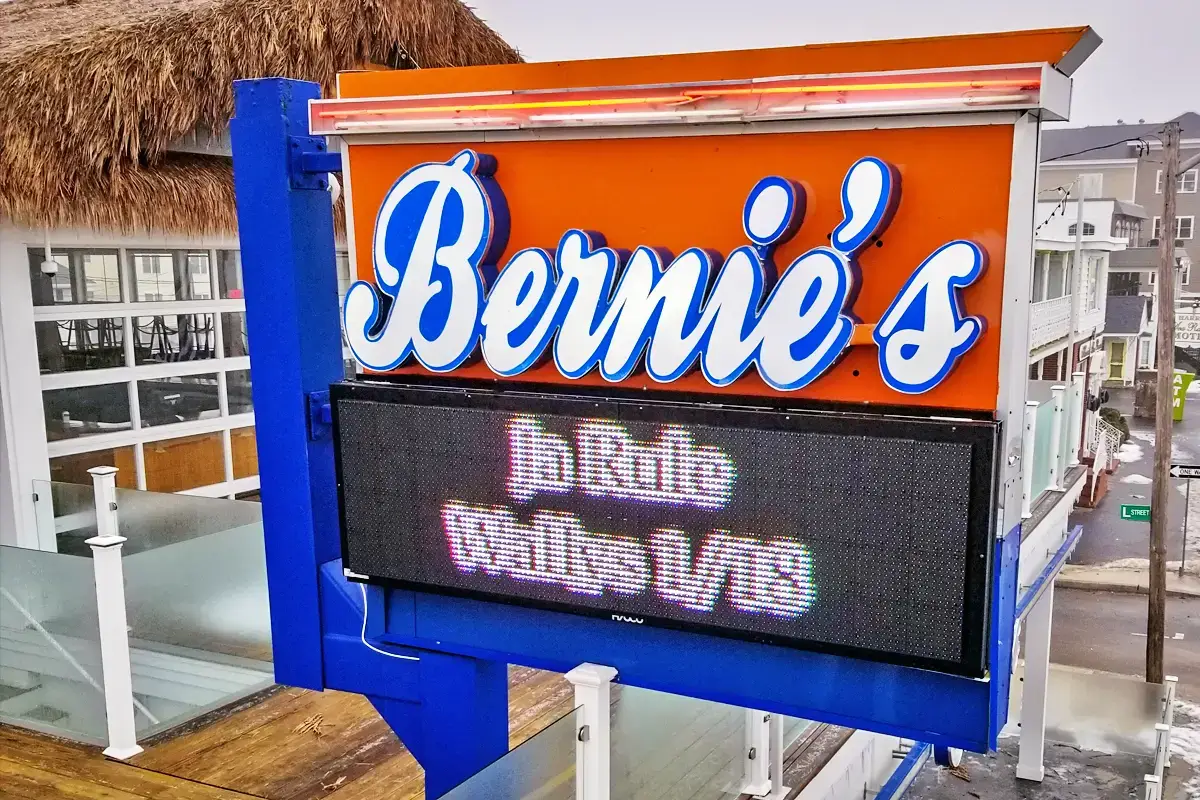
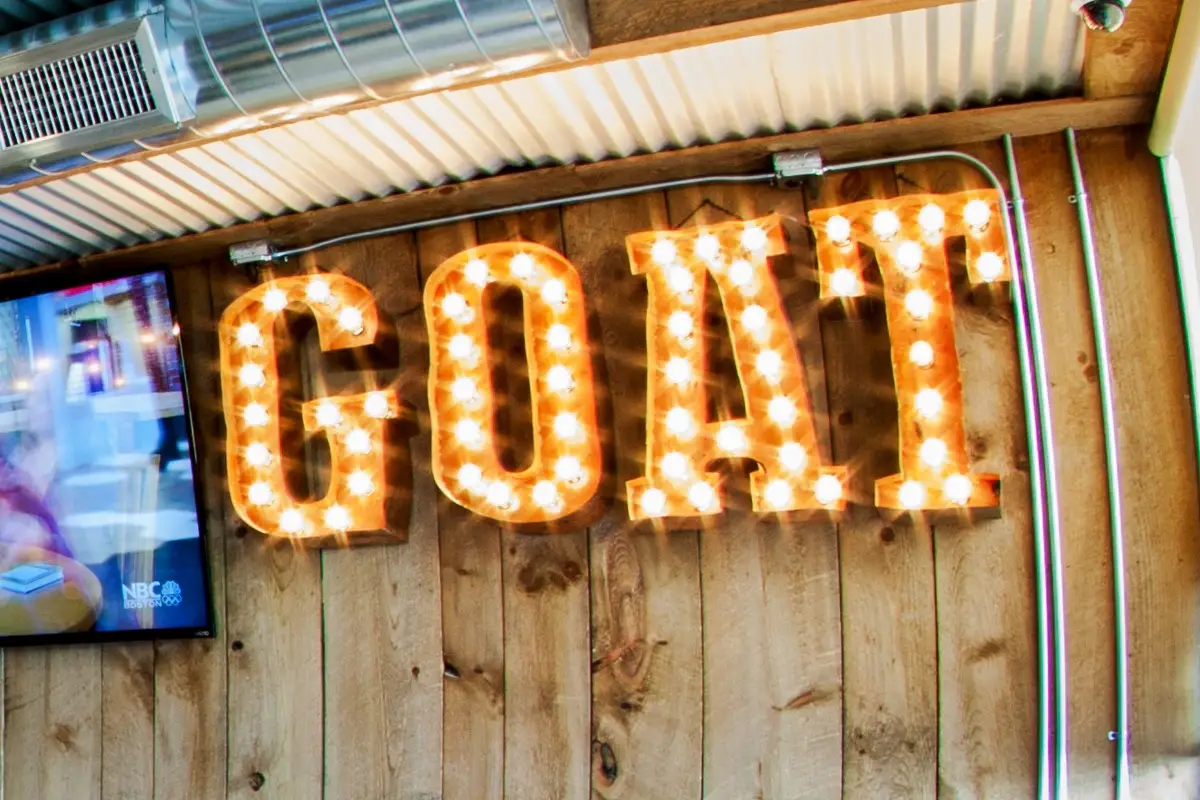
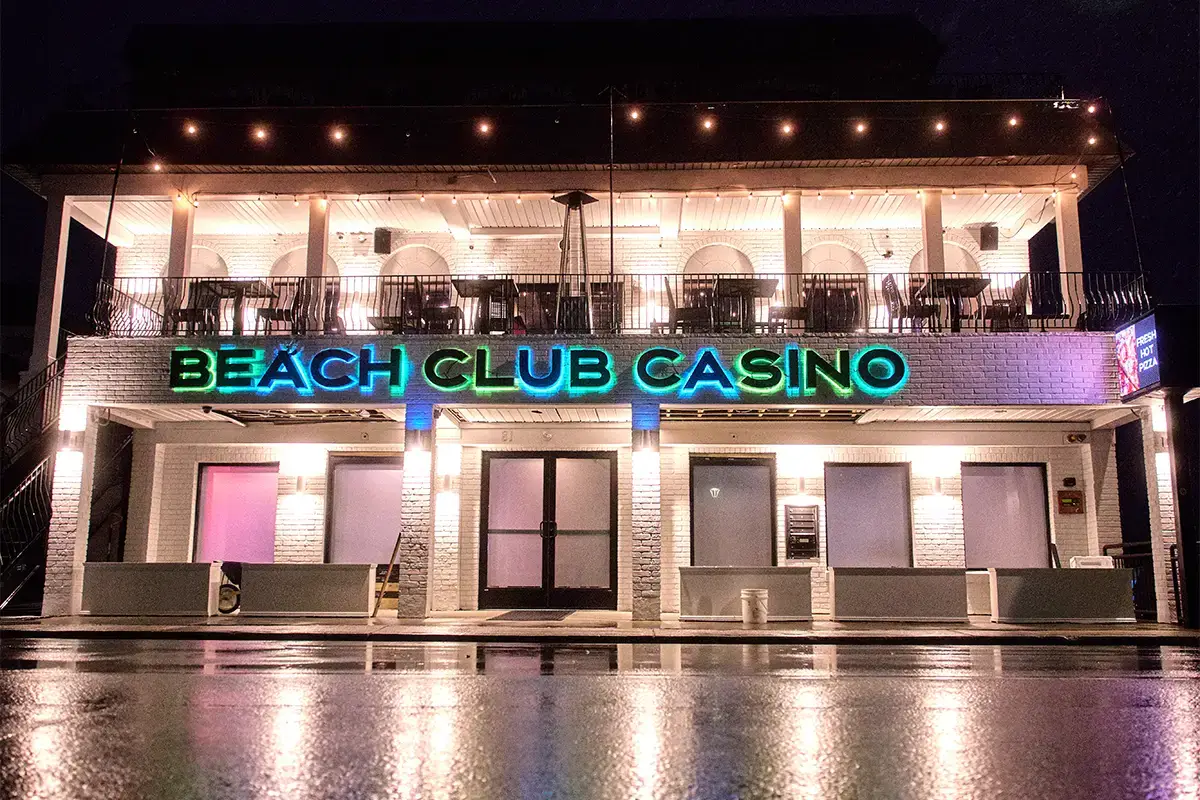
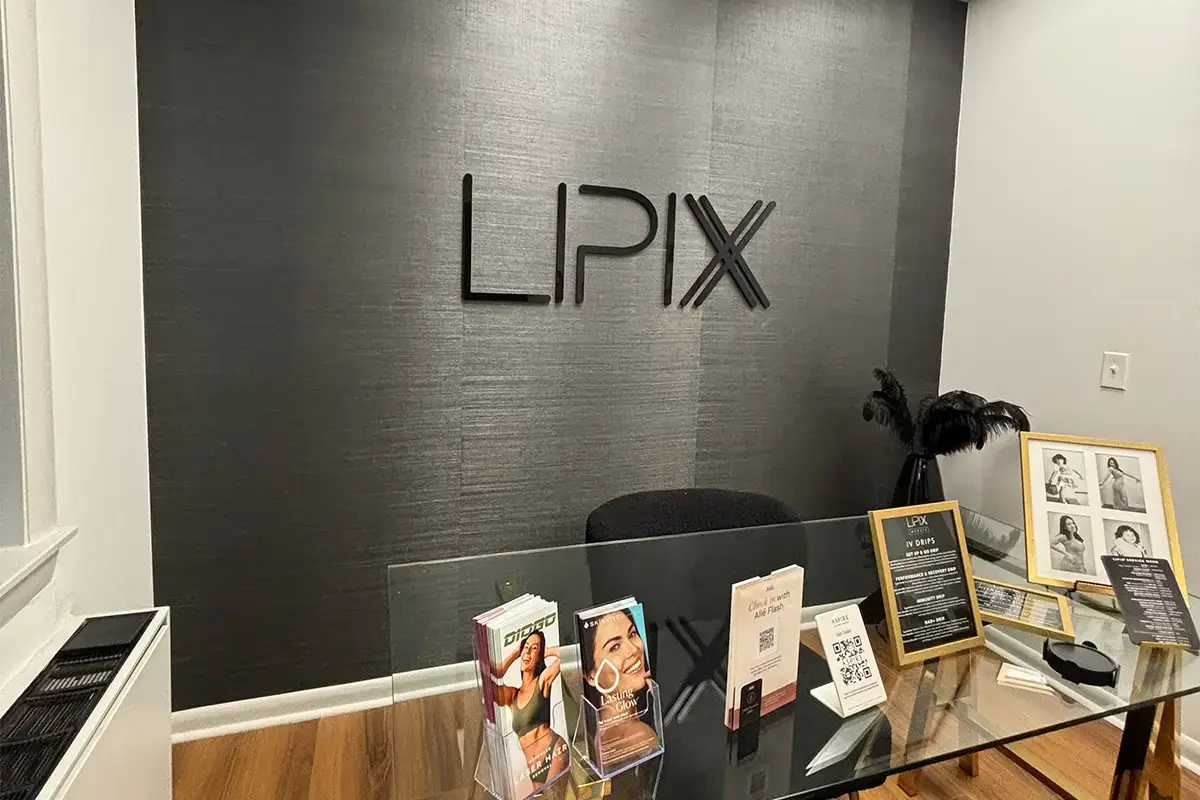
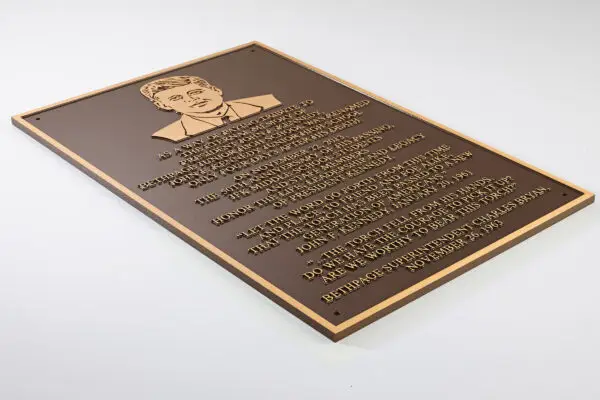
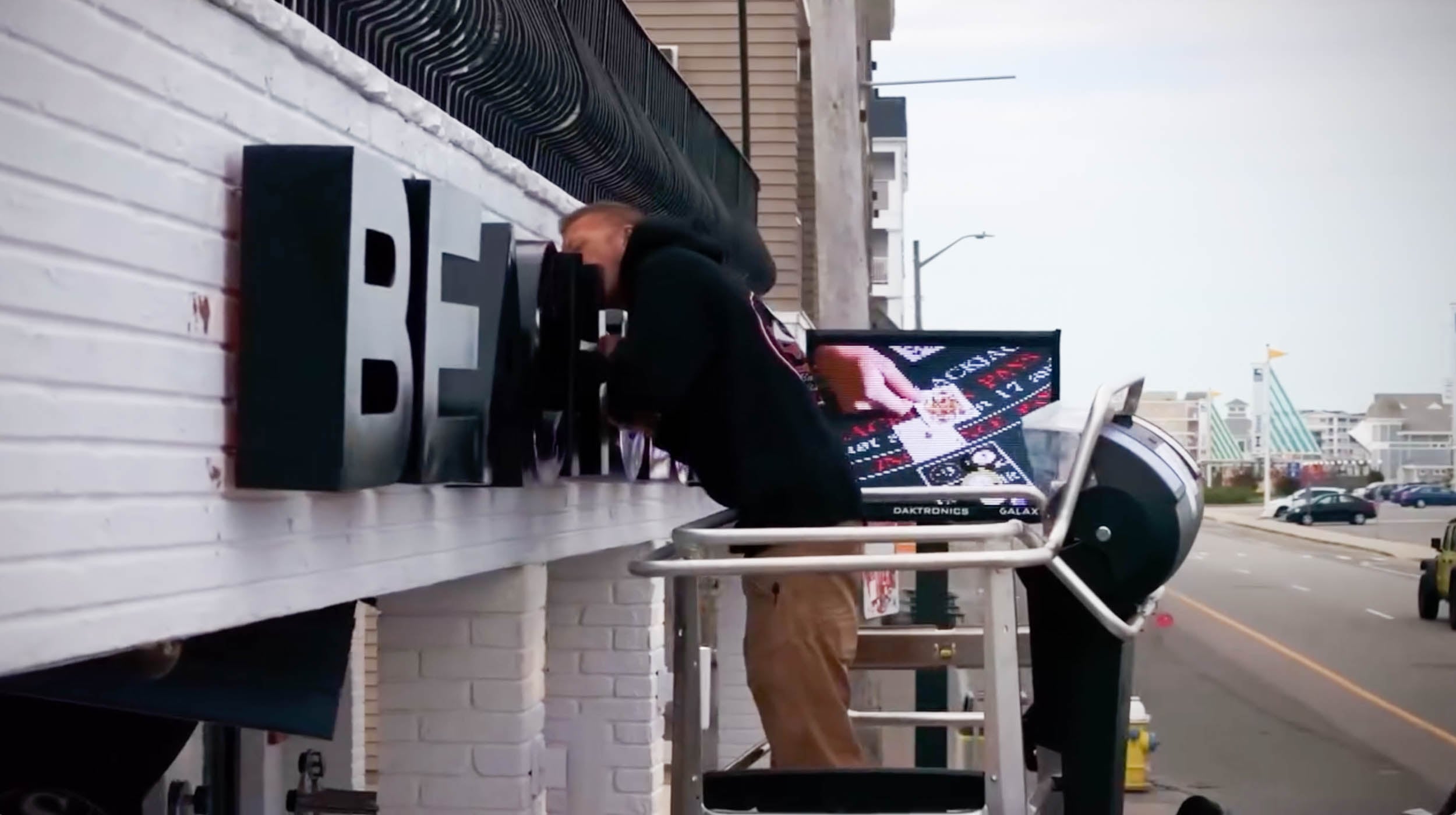
Illuminated letters, lobby lettering, plaques, and building signs fabricated or installed by Signs East.
4.95 out of 5 across 100 Google reviews.
"Estimate, design, permit, installation."
"Tor Larson of Signs East LLC was our go-to for a Custom branded PVC sign for our law office building in Concord. He handled everything: estimate - design - permit - installation. Highly recommend."
Heidi Bogle · Concord, NH · Google review"Things were well in hand."
"Tor and the team at Peabody Signs has gone above and beyond to assist me with signage for two buildings, and not one but two rebuilds of a custom pylon sign. Their work is high quality and they have communicated well throughout the process. I am not located in Massachusetts but my building is, and I felt totally comfortable that things were well in hand."
Casey Heidenreich · Google review"Ideas on how to make my signs look better."
"Always giving me ideas on how to make my signs look better."
Kevin Whelan · July 2026 · Google reviewSigns East builds signs at its shop at 34 Route 125 in Kingston, NH, and has a second office on Route 1 in Seabrook, NH. The primary service area covers Southern New Hampshire, the Seacoast, and North Shore Massachusetts. That includes commercial properties in Kingston, Seabrook, Plaistow, Exeter, Hampton, Portsmouth, Dover, Salem, Haverhill, and Newburyport.
Start with the property address. The team will review travel, access, and the project scope before recommending the next step.
Dark letters, uneven lighting, damaged faces, loose components, and storm damage belong with the repair team.
View Sign Repair ServicesThe install itself is usually a single day for a typical storefront set, sometimes less. The schedule ahead of it is the longer part: design and mockup approval, permitting, fabrication, and any electrical work. Permitting is the step most likely to move the date, because every town runs its own review. Signs East gives you a date once the approvals are in hand rather than at the start.
Size follows viewing distance, not wall space. The farther back traffic sits from the building, the taller the letters have to be to stay readable, and a road with faster traffic needs more. The sign band, the landlord criteria, and the town's size limits then cap it from the other direction. Signs East measures the setback and the sign band during the site review and shows the proposed size on a photo of your building so you can judge it before fabrication.
Cost changes with the number and size of the letters, lighting style, mounting method, access, electrical needs, permit work, and installation scope. The cost drivers section above breaks down which direction each factor pushes. Signs East reviews the building before quoting so those parts can be identified instead of guessed.
Frequently, yes. If the returns, faces, and mounting are sound, the fluorescent or neon components inside can often be replaced with LED modules and new power supplies while the letters stay on the building. Corroded returns, water inside the cans, or cracked faces push a project toward replacement instead. The sign repair team inspects the letters and prices both.
There is no honest single lifespan for every sign. Exposure, construction, lighting components, maintenance access, operating hours, and damage all affect service life. A site-specific recommendation is more useful than a blanket number.
Many municipalities and commercial properties regulate exterior building signs, but the exact requirements vary. Size, placement, lighting, electrical work, landlord criteria, and the local review process can all matter. Signs East reviews the project before fabrication moves forward.
The design can follow the approved logo, letterforms, and color direction, but illuminated color may read differently at night. A mockup and material review help set expectations for both daytime and nighttime appearance.
Channel letters are built with depth and usually have space inside for illumination. Dimensional letters are also raised from the surface, but they may be solid, cut from sheet material, cast, or built without internal lighting. The best format depends on the location and visibility goal.
Yes. The commercial sign repair team works on signs from other manufacturers and installers. Access and site conditions are checked before the repair scope is confirmed.
Send the property address, a straight-on building photo, your logo files, and any landlord sign criteria you already have. If an old sign must be removed, include a clear photo of that too.
Send the property address, a clear facade photo, and your artwork. The team will help you sort out lighting, mounting, scope, and the next practical step.