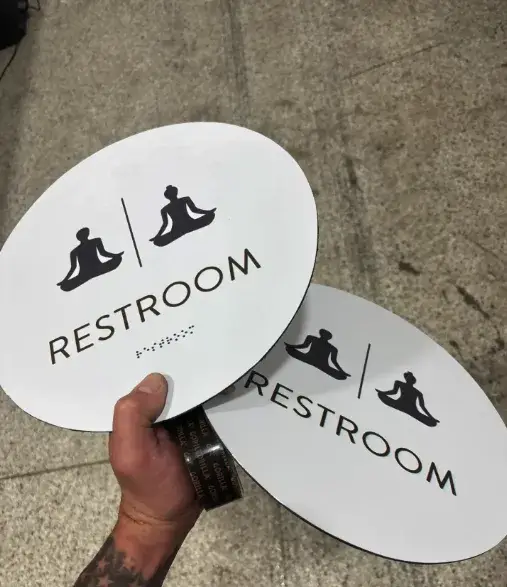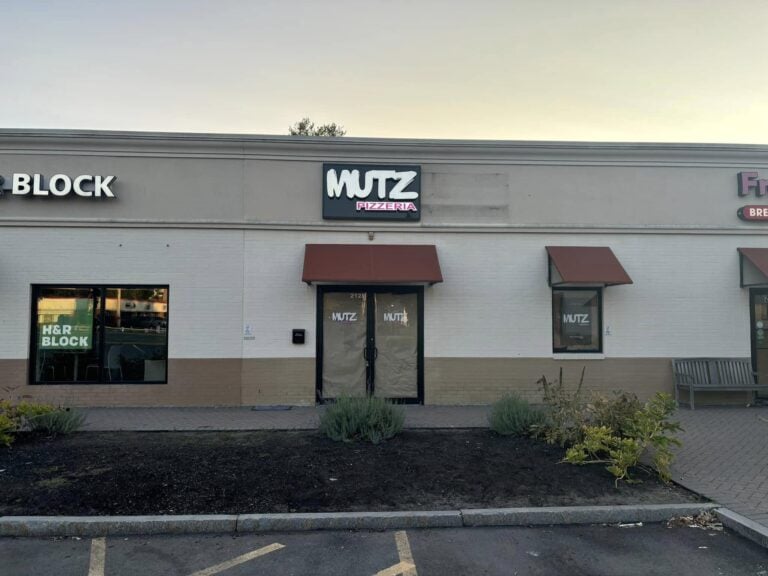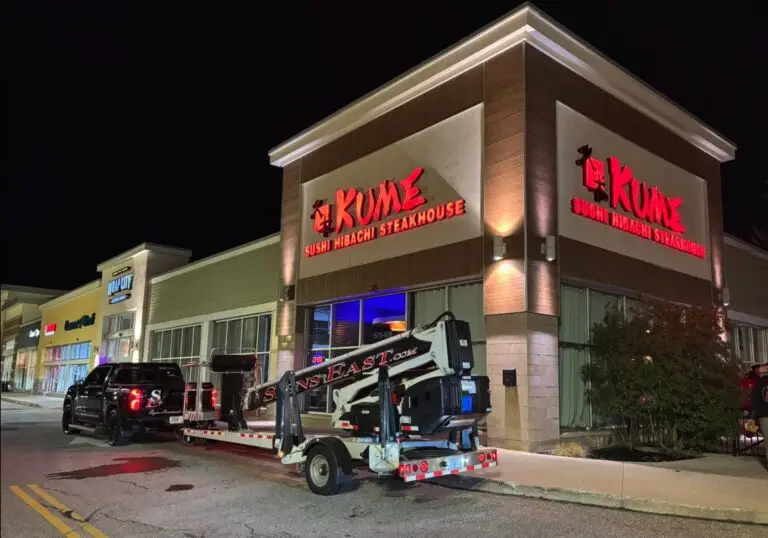
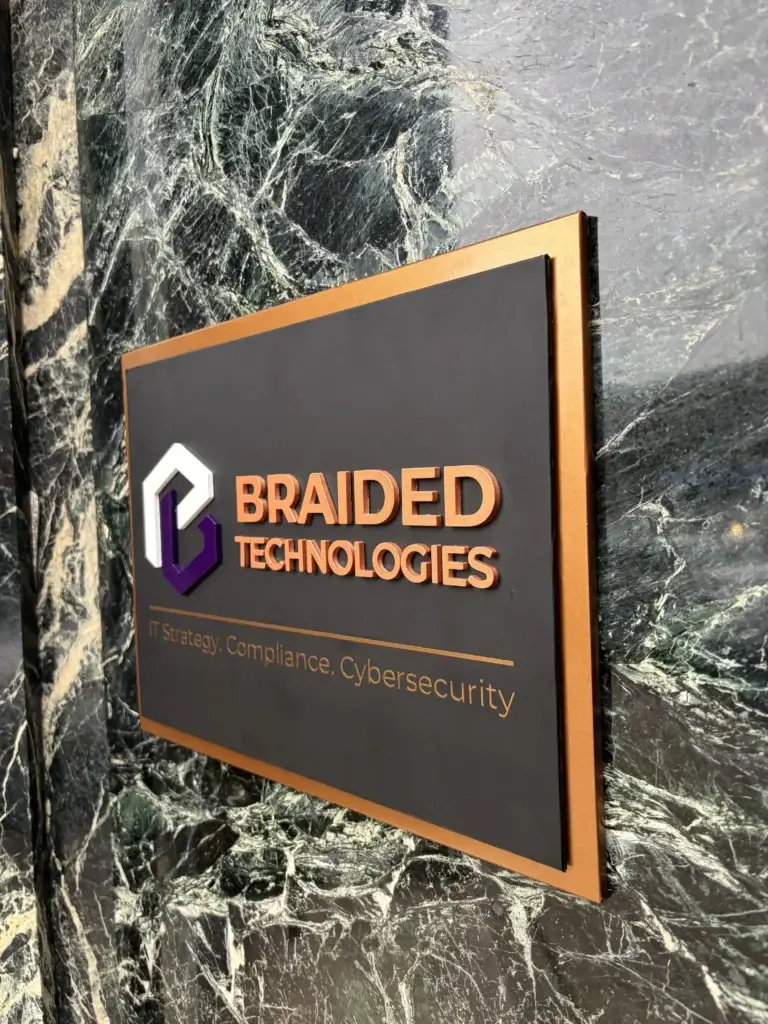
Brushed metal delivers a corporate, high-end look for law firm and medical suite lobbies, resisting scratches and fading better than wood. Acrylic offers a modern, budget-friendly option with crisp edges for door plaques. Wood suits donor walls needing warmth. Signs East designs, fabricates, and installs all three materials for Southern New Hampshire and North Shore Massachusetts offices.
What Are Office Sign Materials, Exactly?
Acrylic, metal, and wood make up the three primary categories of office sign materials. Each one sends a different signal before a visitor reads a single word. Acrylic delivers a clean, modern surface that works well for reception desks and directories. Metal carries an air of strength and formal professionalism, which explains why so many law firms and financial suites choose it. Wood brings warmth into a space, often selected by practices that want to feel approachable rather than corporate.
| Material | Visual Effect | Common Use |
|---|---|---|
| Acrylic | Clean, modern | Lobby signs, directories |
| Metal | Strong, formal | Door plaques, exterior identity |
| Wood | Warm, traditional | Medical offices, boutique firms |
A brushed metal plaque works for a practice that wants a polished, permanent look on a door or wall without heavy maintenance. Acrylic office signs suit reception areas where a business wants dimension and light without the weight or cost of solid metal.
Which Material Fits Office Door Plaques?
Office door plaques generally call for metal or acrylic because both hold sharp text and small detail at close reading distance. Wood works too, but it shows wear faster on doors that get touched or brushed against daily.
This owner-operated shop has guided material decisions like these since Tor Larson founded the company from its Route 125 location in Kingston, New Hampshire. That shop still handles lobby sign ideas and fabrication work for offices, practices, and firms across Southern New Hampshire, the Seacoast, and North Shore Massachusetts.
How Does Acrylic Compare To Metal And Wood?
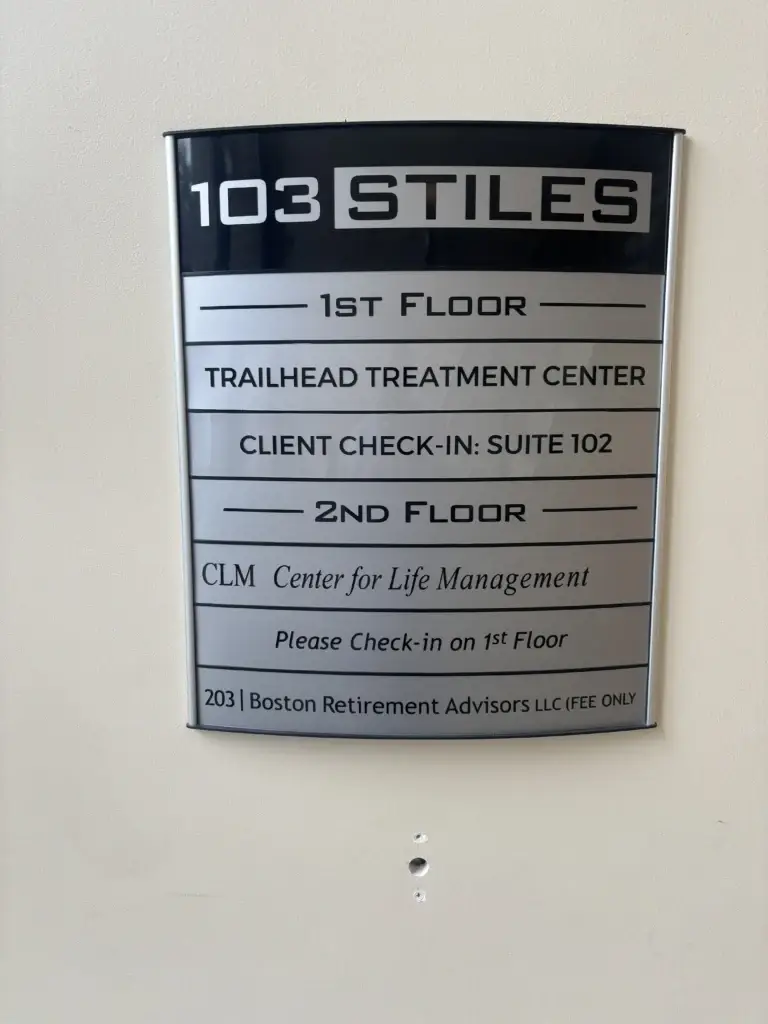
Acrylic is lighter, costs less and comes in more colors than metal or wood, which is why office managers often start there when weighing office sign materials for a lobby, a conference room or a row of office doors. Metal holds up better where a sign gets touched or bumped every day, and wood brings warmth. Each has a place, and the right pick depends on how the space is used.
Cost is where the comparison gets practical. Acrylic signage may be more affordable than some metal and wood options, depending on specific requirements, and it often needs less upkeep over time, which matters when a facility director is budgeting for a full suite of office door plaques rather than one sign. Metal plaques and wood panels often demand periodic refinishing or polishing; acrylic does not.
Design flexibility also favors acrylic. Custom acrylic signage can be tailored to match a firm’s existing branding, colors, and typography with more precision than metal fabrication typically allows. For a law firm or medical practice building out lobby sign ideas, that flexibility means the reception sign, wayfinding, and door plaques can share one consistent look.
| Material | Strength | Common Use |
|---|---|---|
| Acrylic | Light, budget friendly, wide color range | Acrylic office signs, door plaques, reception displays |
| Metal | Formal, substantial feel | Brushed metal plaque for executive suites |
| Wood | Warm, traditional look | Accent panels, mixed-media lobby signs |
Is Acrylic Or Metal Better For An Office Lobby Sign?
Acrylic suits most lobby applications because of its lower cost and easier maintenance. A brushed metal plaque still works well where a firm wants a heavier, more formal presence at reception. The team fabricates channel letters, illuminated signage, and related interior sign types in-house, giving offices options across both materials.
What Makes A Brushed Metal Plaque Durable?
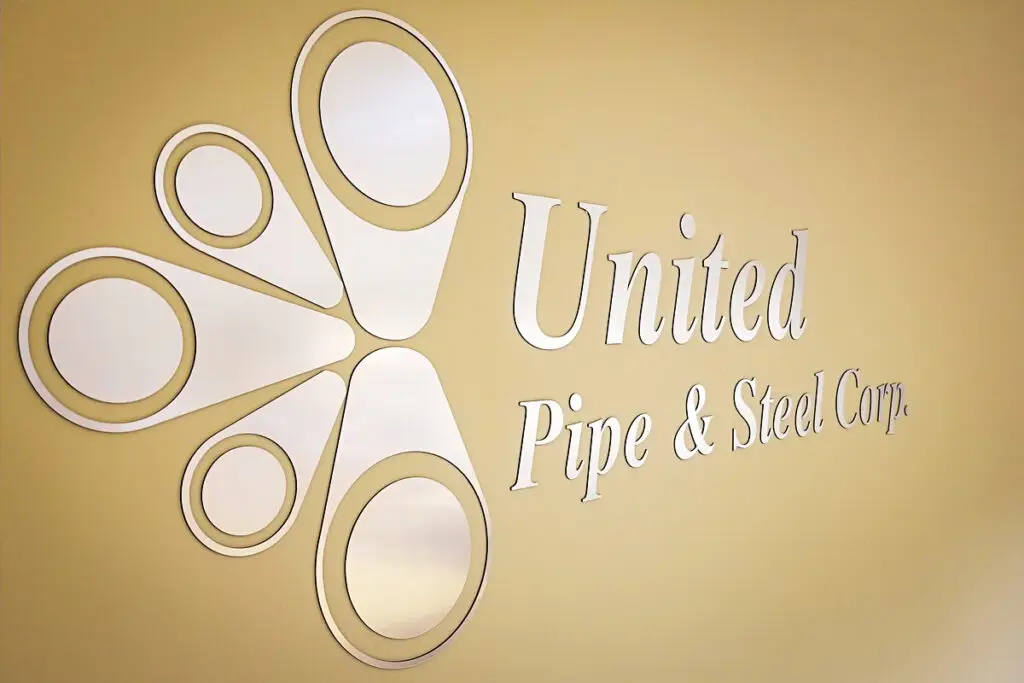
Durability in a brushed metal plaque comes from the metal itself, not from any coating layered on top. Aluminum and stainless steel resist corrosion, dents, and fading far longer than wood or many painted finishes. That resistance carries weight in a lobby: metal signage reads as strength, durability, and professionalism, a pairing well suited to law firms, medical suites, and financial offices where first impressions matter.
Raised, dimensional lettering adds another layer of resilience. Letters cut and mounted above the plaque surface, rather than printed flat, cast shadow and depth that keep a name or logo visible even under harsh overhead lighting. That same dimensionality helps the sign stand out against the crowded visual field of a busy corporate hallway.
Does Brushed Metal Scratch Easily?
Brushed metal actually hides minor scratches better than polished or painted metal finishes. The directional grain pattern breaks up light reflection. Small surface marks blend into the existing texture instead of standing out. Heavy gouges still show, but daily wear from cleaning or handling rarely becomes visible.
How Long Does A Metal Office Plaque Last Compared To Acrylic?
Metal plaques generally outlast acrylic office signs in high-traffic entryways. Metal resists cracking, yellowing, and impact damage over years of use. Acrylic remains lighter and less costly, which makes it a reasonable choice for interior wayfinding. Metal still holds up better where a sign gets touched, brushed against, or exposed to shifting light and humidity.
Among office sign materials chosen for durability, brushed metal plaques deliver a finish that resists everyday wear while still projecting the polish a business lobby needs.
Where Do Wood And Mixed Media Fit?
Wood earns its place in a lobby when warmth matters more than polish. Warm wood tones send a signal of craftsmanship that acrylic and metal rarely match, which is why designers reach for it in rustic or artisanal branding rather than a typical corporate suite. A law firm chasing a sleek, buttoned-up look will likely pass on wood. A design studio, a wellness practice, or a boutique consultancy built around a handmade, personal story often will not.
Mixed media takes that warmth and pairs it with the durability office spaces need. A common pairing sets a wood-look backer behind brushed metal or acrylic letters, giving you texture without sacrificing the crisp read of a professional office sign materials choice. The combination works well for lobby sign ideas that need to feel less corporate and more curated, especially in hospitality-adjacent offices or creative agencies where the entry space doubles as a brand statement.
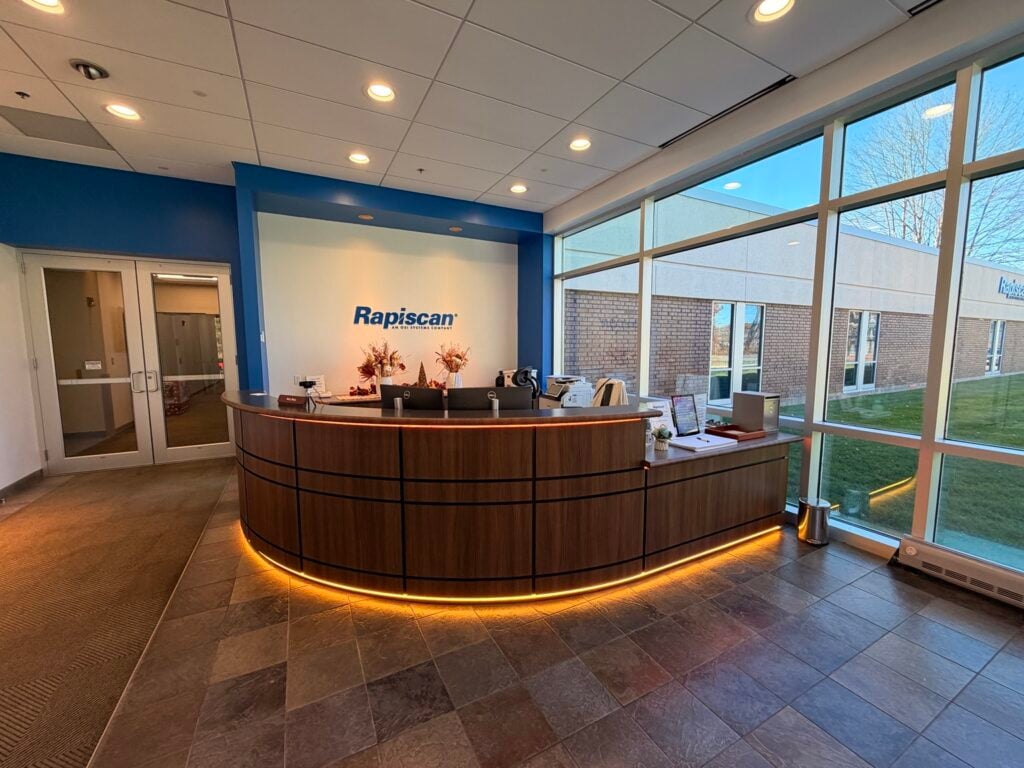
Remember what is riding on that first impression. The lobby sign is usually the first thing clients, employees, and partners notice walking through the door. It quietly sets the tone for everything behind it. A mismatched material choice undercuts that tone before anyone reaches the front desk.
Does Wood Signage Hold Up In A High-Traffic Office?
Wood requires more upkeep than acrylic or metal in busy entryways. Finishes wear and edges can chip under regular contact. Sealed hardwood or wood-laminate composites close that gap significantly. For lower-traffic areas, like a single office door plaque or a donor wall accent, wood holds its look far longer.
How Should Office Door Plaques Be Chosen?
Material, finish, and mounting method determine whether an office door plaque holds up under daily hand contact and years of cleaning chemicals. Budget and brand tone narrow the field fast: a law firm reads differently in metal than a pediatric office reads in acrylic. Getting the choice right starts with matching office sign materials to how the space actually functions, not just how it photographs.
A brushed metal plaque signals permanence and works well for executive suites, boardrooms, and any office that wants a formal, understated look. Acrylic office signs cost less to produce, come in more colors, and suit practices that update names or titles often, like medical groups with rotating staff. Wood plaques add warmth but need more upkeep in high-traffic corridors.
What Material Lasts Longest on an Interior Door?
Metal plaques resist scratching and fading better than acrylic or wood over a multi-year lifespan, making them a practical pick for entrances that see constant hand traffic. Acrylic holds up fine indoors but scuffs more easily near handles.
Who Should Handle Plaque Design and Installation?
One point of contact simplifies the decision. Signs East is owner-operated, so material and plaque decisions go straight to Tor Larson instead of passing through layers of account managers. The same in-house team that designs, fabricates and installs signage also handles permitting, so an office does not need to coordinate three separate vendors for its office door plaques. Based in Kingston, New Hampshire, the team serves offices across Southern New Hampshire, the Seacoast and North Shore Massachusetts.
FAQ
Which material works best for office door plaques?
Metal and acrylic suit office door plaques best because both hold sharp text and fine detail at close reading distance. Wood works too, but it wears faster on doors that get touched or brushed against daily.
When is acrylic the better choice for office signage?
Acrylic is lighter, costs less and comes in more colors than metal or wood, so it suits reception displays, directories and door plaques that may need updating. Metal is the better pick where signs see heavy daily contact.
Who designs and installs these office sign materials?
Signs East LLC, an owner-operated sign shop in Kingston, New Hampshire, designs, fabricates and installs brushed metal, acrylic and wood signs for offices across Southern New Hampshire and North Shore Massachusetts.