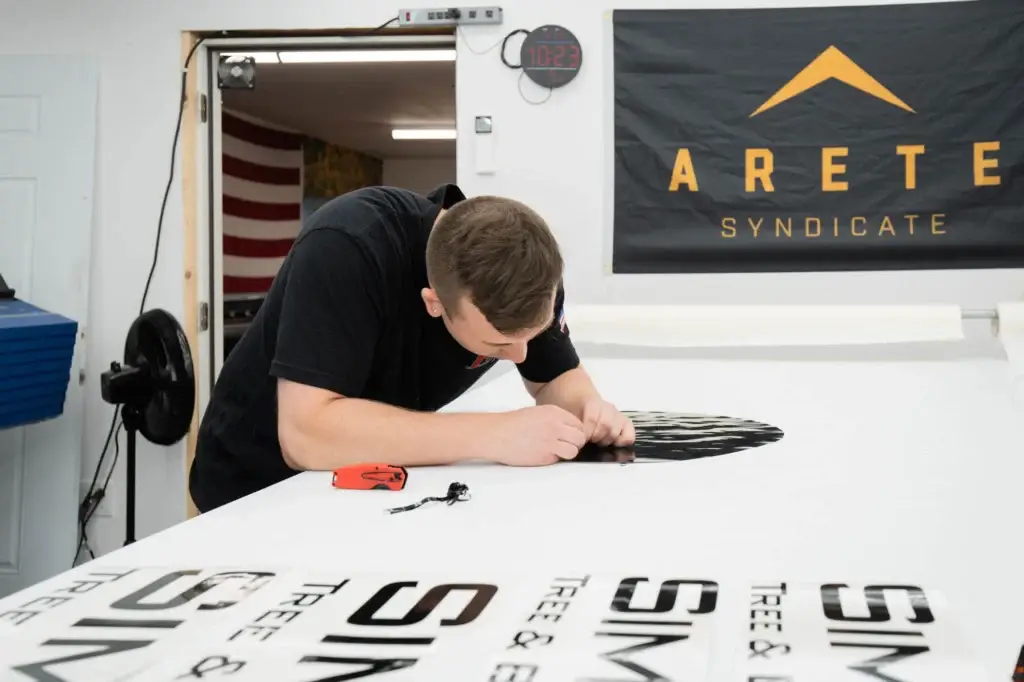
Commercial Sign Installation Southern NH in Southern New Hampshire
By Signs East LLC Editorial Team · Updated 2026-07-16
Commercial sign installation in Southern NH starts with design, permitting, fabrication. Ends with professional installation — all typically handled by a single full-service provider. Signs East LLC, based in Kingston, New Hampshire, operates as a full-service sign company serving the region, managing every phase so businesses avoid coordinating multiple vendors.
Signs East LLC brings that full-service model to commercial clients across Rockingham and Strafford Counties, coordinating directly with local municipalities on permit requirements at every stage. Rated 4.9 stars across 94 Google reviews, the company manages design, permitting, fabrication, and installation under a single owner-operated structure — giving Southern NH businesses one accountable point of contact from initial brief through final mounting.
Key Takeaways
- Commercial sign installation in Southern NH requires permits from NHDOT and local authorities before placement.
- Professional installers design, build, permit, and install signage in-house to meet deadlines efficiently.
- Signs East LLC operates as an owner-operated company in Kingston, NH serving the region.
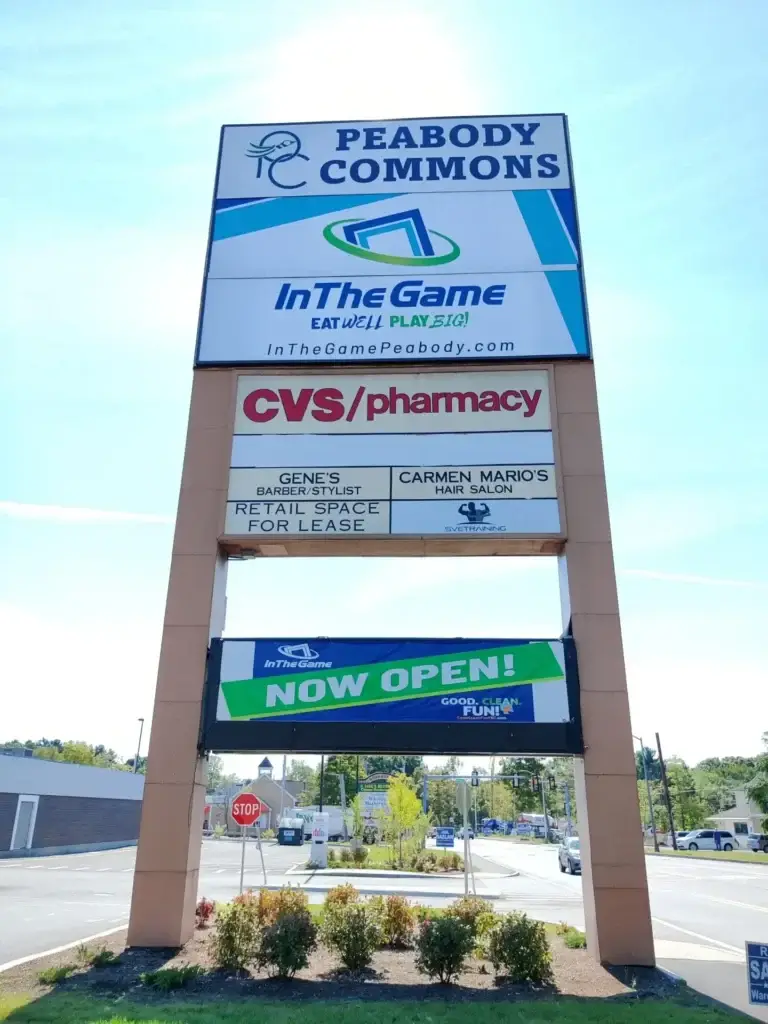
- Storefront, monument, fleet graphics, and interior wayfinding signs all demand expert installation for visibility.
What prerequisites must businesses address before installation?
Commercial sign installation Southern NH demands permit coordination through local municipal building departments before fabrication or mounting begins. Skipping this step exposes businesses to stop-work orders, forced removal, and reinstatement costs that far exceed the original project budget.
What permits does Southern NH require before a sign goes up?
Municipal building departments govern sign permits across Southern New Hampshire. The sign installation process begins with a formal application that typically includes site plans, sign dimensions, and structural details. For properties adjacent to state highways, New Hampshire state law and NHDOT establish additional eligibility criteria that facilities must satisfy. A regulatory layer entirely separate from municipal approval. Businesses that overlook this dual-track requirement face project delays measured in weeks, not days.
Does the installation contractor need to carry insurance documentation?
Most Southern NH municipalities require proof of contractor insurance before issuing a sign permit. Signs East is fully insured and owner-operated, and the company provides insurance certificates to satisfy municipal prerequisites directly. This documentation requirement is not optional — municipalities routinely reject permit applications that arrive without it.
Businesses should address the following prerequisites before any sign mounting and installation work is scheduled:
- Confirm zoning compliance with the local land use or planning department.
- Submit a permit application to the municipal building department, including structural and dimensional drawings.
- Determine NHDOT applicability for any signage visible from or adjacent to state highway corridors.
- Obtain contractor insurance certificates from the installing firm prior to permit submission.
Completing these steps in sequence prevents the permit rejections. Mid-project halts that routinely extend the sign installation timeline by weeks.
How does the design and fabrication phase work?
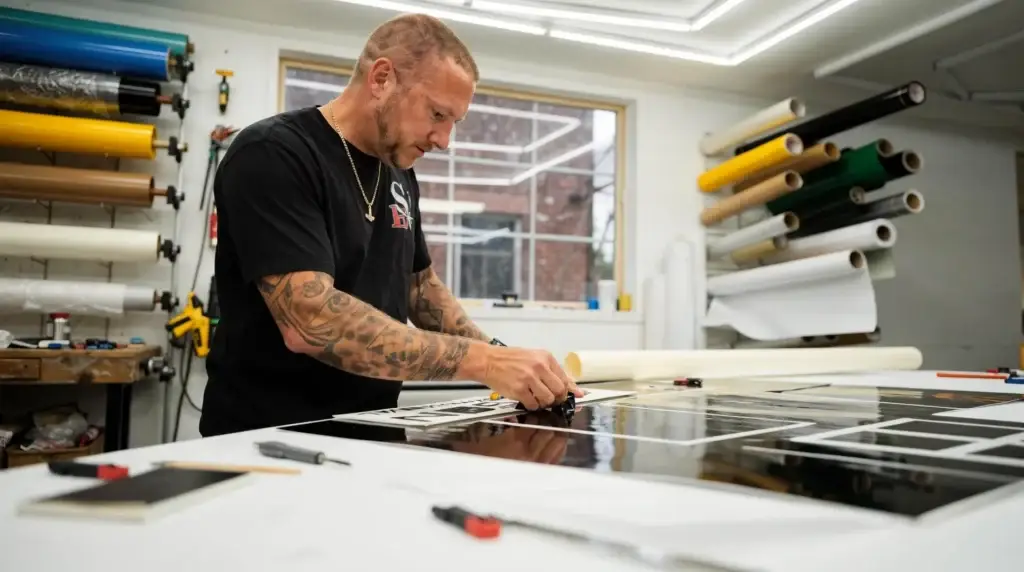
Commercial sign installation Southern NH begins well before a single fastener meets a wall. The design and fabrication phase consolidates every production step — concept, engineering, material cutting, and finishing — under one roof, eliminating the coordination failures that arise when clients manage multiple vendors simultaneously.
What happens during the design and fabrication steps?
A full-service sign company moves through the following sequence before any installation crew mobilizes:
- Conduct a site assessment. Measure the mounting surface, document structural conditions, and photograph the location to inform material and hardware specifications.
- Develop the design. Translate brand assets into production-ready artwork scaled to the approved dimensions.
- Select materials. Choose substrates, illumination components, and finishes rated to withstand New England weather conditions — a critical requirement for Southern NH storefronts exposed to freeze-thaw cycles and coastal humidity.
- Fabricate the sign. Cut, weld, paint, and assemble components in-house. Channel letters, monument signs, vehicle graphics, digital readerboards, banners, and wall graphics all move through this stage.
- Conduct quality inspection. Verify dimensional accuracy, electrical function, and finish quality before the sign leaves the shop.
Signs East has operated this integrated fabrication model from its Kingston, NH shop, producing signage for commercial clients across the region. From storefronts on Manchester’s Elm Street to office parks in Bedford.
Why does single-vendor fabrication matter for the sign installation timeline?
Fragmented production — separate design, fabrication, and installation contractors. Introduces handoff delays that routinely extend sign installation timelines by weeks. A single in-house team controls every dependency, keeping projects on schedule and reducing the risk of specification errors between phases.
What does the physical sign mounting process involve?
Commercial sign installation Southern NH encompasses a structured sequence of site assessment, hardware preparation, and precision mounting across a wide range of sign types. Skipping any stage of the sign installation process produces structural failures, safety hazards, and signs that fail inspection — costing businesses time and money to correct.
What types of signs require professional mounting?
Sign mounting and installation applies to a broad spectrum of commercial signage. The following sign categories each carry distinct mounting requirements:
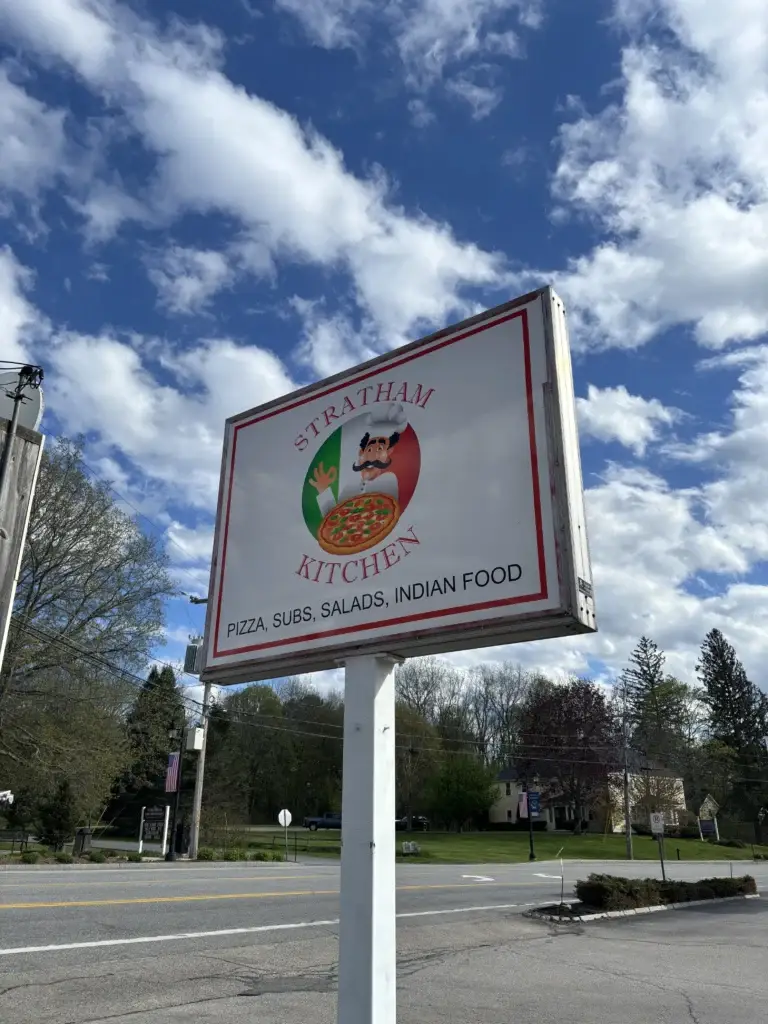
- Site signs — ground-anchored posts or frames set in concrete footings
- Monument signs — masonry or fabricated bases requiring excavation and leveling
- Exterior signs — wall-mounted units demanding structural anchor points
- ADA signs — precision-positioned at code-specified heights and locations
- Building directories — interior frames secured to wall substrates
- Digital signs — electrical rough-in completed before panel mounting
- Large-scale banners — tensioned hardware to prevent wind damage
Signs that require ladders or specialized tools present genuine safety risks when handled without proper equipment or training. Professional crews carry the rigging, lifts, and fastening systems that each sign type demands.
How does the installation sequence work for storefront signs?
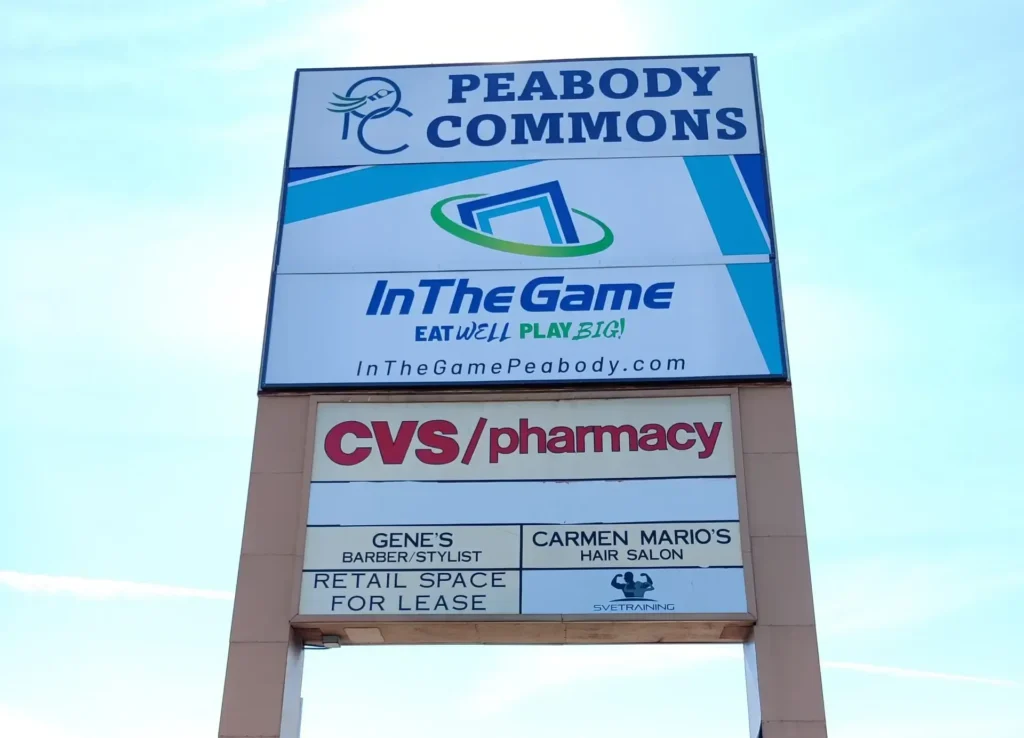
How sign installation works follows a consistent order regardless of sign type. Storefront sign installation New Hampshire projects proceed through these steps:
- Confirm all permits are approved before any hardware touches the building.
- Locate structural anchor points — studs, masonry, or steel — using appropriate detection equipment.
- Pre-drill mounting holes and install backing plates or raceway channels as required.
- Set the sign panel, verify level and alignment, then secure all fasteners to specification.
- Complete any electrical connections for illuminated units and test full operation.
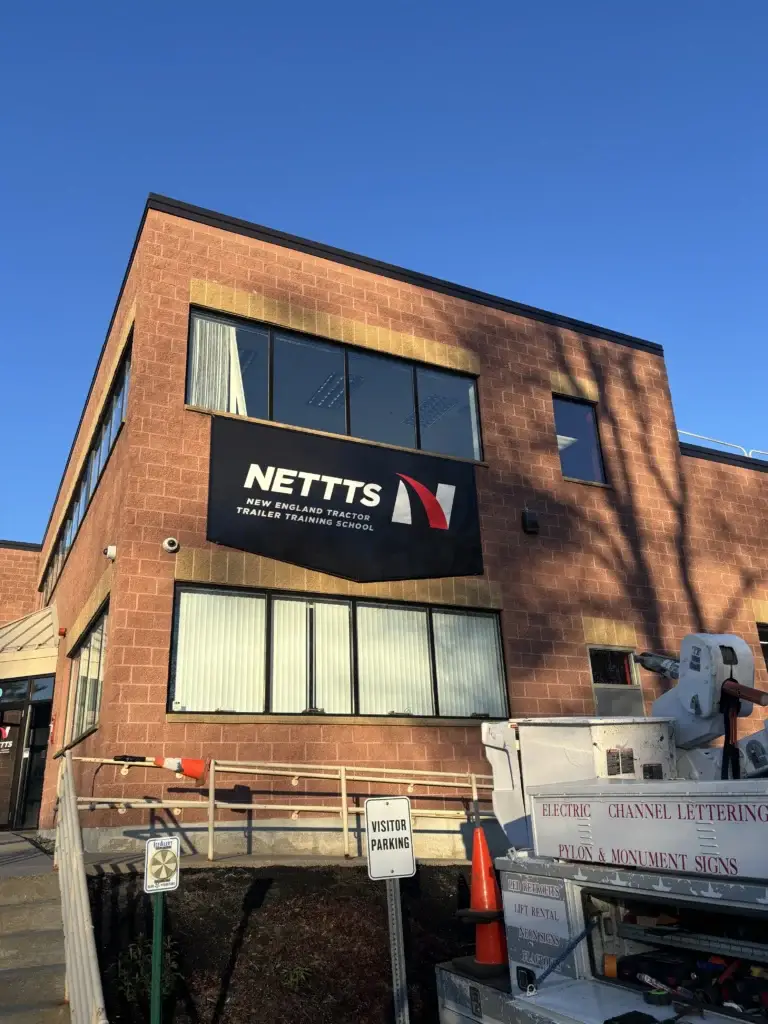
Signs East travels throughout Rockingham and Strafford County communities — including Kingston, Plaistow, Exeter, Hampton, Portsmouth, Dover. Rochester — executing each step of the commercial sign install Kingston NH workflow on-site with a single coordinated crew.
What is a realistic sign installation timeline in Southern NH?
The sign installation timeline for commercial projects in Southern New Hampshire typically spans weeks rather than months when clients work with a provider that controls design, fabrication. Installation under one roof. The broader sign industry routinely subjects businesses to waits exceeding three months. Delays that cost visibility, revenue, and competitive positioning during critical launch windows.
Why do most sign companies take so long?
The standard industry model fragments the process across multiple vendors: a designer, a fabricator, and a separate installation crew. Each handoff introduces scheduling gaps and communication failures. Businesses waiting on a new storefront sign or fleet graphics program absorb those delays entirely, often with no single point of contact to hold accountable.
How does an owner-operated model compress the timeline?
Signs East operates as a single accountable team serving Southern New Hampshire, keeping one point of contact responsible from the initial design brief through final installation. That structure eliminates the vendor-to-vendor delays that inflate timelines industry-wide. The result is project completion measured in weeks, not months.
The following steps outline the standard sequence clients should expect:
- [Submit a project inquiry](https://signseast.com/contact-us/) with site dimensions, sign type, and any existing brand assets.
- Review and approve the design proof — revisions are handled by the same team that will fabricate the sign.
- Confirm permit requirements for the specific Southern NH municipality, as local ordinances vary.
- Schedule fabrication once permits are secured or confirmed unnecessary.
- Coordinate the installation date directly with the fabrication team to avoid scheduling gaps.
Signs East carries a 4.9-star rating across 94 Google reviews, a record that reflects consistent on-time delivery. Reliable communication throughout the commercial sign installation Southern NH process. The two variables clients most frequently cite when projects go wrong.
What common installation mistakes should businesses avoid?
Three installation mistakes consistently derail commercial sign projects across Southern New Hampshire: skipping permit coordination, overlooking LED retrofit opportunities. Splitting fabrication and installation across multiple vendors. Each error carries measurable consequences — from forced sign removal to compounding maintenance costs.
Does skipping the permit step really cause sign removal?
Permit failures are among the most preventable — and most costly. Mistakes in the commercial sign installation Southern NH process. Municipal building and land use departments require permit approval before any sign is mounted. Businesses that proceed without coordinating permits risk mandatory removal after installation. Doubles labor costs and delays the project by weeks. Proper permit coordination, handled before a single bracket is drilled, eliminates this risk entirely.
What happens when aging cabinet signs are not upgraded?
Neglecting LED retrofit opportunities on older neon or fluorescent cabinets creates a cycle of recurring repair costs and diminished visibility. Aging light sources fail more frequently, and each service call adds to the total cost of ownership. Converting an existing cabinet to efficient LED technology reduces ongoing maintenance demands and restores consistent illumination. Both of which directly affect how well a storefront sign performs at night.
The third mistake is structural. Businesses that engage separate vendors for design, fabrication, and installation introduce coordination gaps that delay timelines and dilute accountability. Signs East operates as an owner-operated company where design, fabrication. Installation remain under a single structure, eliminating the handoff failures that fragment multi-vendor arrangements.
Numbered steps to avoid these mistakes:
- Confirm permit requirements with the local municipality before scheduling any installation work.
- Assess existing cabinet signs for LED retrofit eligibility during the initial site survey.
- Select a provider that manages design, fabrication, and installation under one operational structure.
Commercial sign installation in Southern New Hampshire requires coordination across design, fabrication, permitting, and on-site execution. The process demands technical expertise, precise project management, and reliable execution to deliver results within established timelines. Property owners and business operators benefit from partnering with established local providers who understand regional requirements. Maintain consistent service standards throughout the installation lifecycle.
Essential Considerations for Commercial Sign Installation
What steps does commercial sign installation in Southern NH follow?
Installation follows a structured sequence of design, permitting, fabrication. Physical installation, all managed in-house by a single full-service provider to avoid coordinating multiple vendors.
What permits does a business need before installing a sign in Southern NH?
Municipal building departments require a formal permit application including site plans, sign dimensions, and structural details. Properties near state highways face additional NHDOT approval requirements separate from municipal review.
Does Signs East LLC handle insurance documentation for permit applications?
Signs East is fully insured and owner-operated, and provides insurance certificates directly to satisfy municipal prerequisites. Municipalities routinely reject permit applications submitted without contractor insurance documentation.
Ready to Start Your Commercial Sign Project?
Signs East LLC manages every phase of commercial sign installation in Southern NH — from design and permitting through fabrication and final mounting. One owner-operated team, one point of contact, and a 4.9-star track record across 94 Google reviews.
Contact Signs East LLC today to discuss your project requirements and get a quote.