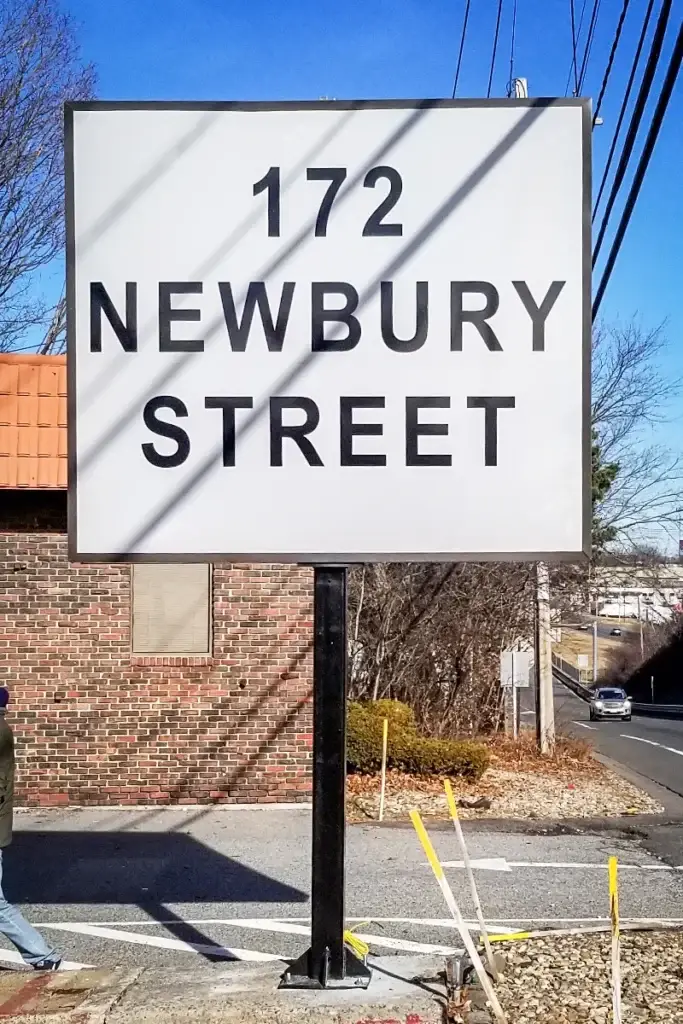
Ultimate Guide to Commercial Signage for NH Businesses
Commercial signage plays a crucial role in the visibility and branding of businesses in New Hampshire. This guide aims to provide a comprehensive overview of the various types of commercial signage available, the permitting process, and the regulations that govern them. Readers will learn about the importance of effective signage, the different materials and designs that can be utilized, and how to navigate the complexities of sign permits in NH. Many businesses struggle with compliance and visibility, but understanding the nuances of commercial signage can lead to enhanced customer engagement and brand recognition. This article will cover the types of signage, the NH sign permit process, and essential regulations that every business owner should know.
Understanding NH Sign Permitting
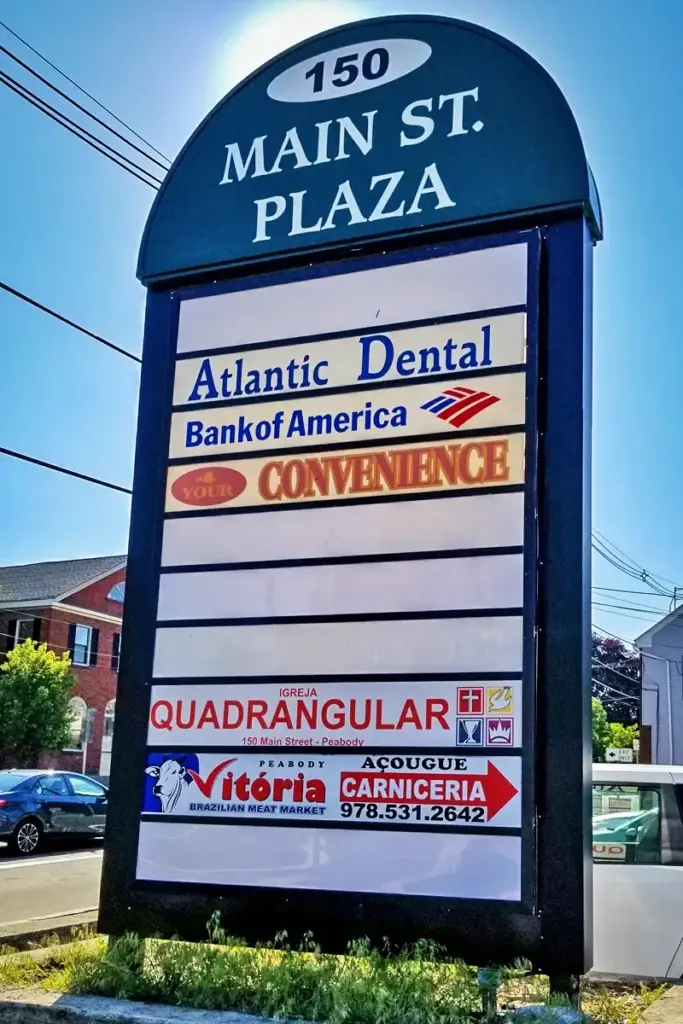
In New Hampshire, obtaining a commercial sign permit is a critical step for businesses looking to establish their presence. The permitting process ensures that signs comply with local regulations and zoning laws, which vary by municipality. Understanding the requirements and steps involved in securing a permit can save time and prevent potential fines. The process typically involves submitting an application that includes details about the sign’s design, dimensions, and location. Additionally, businesses must adhere to specific guidelines regarding the type of signage allowed in their area.
How do I get a commercial sign permit in NH?
To obtain a commercial sign permit in NH, businesses must follow these steps:
- Research Local Regulations: Check with the local zoning office to understand specific sign regulations in your area.
- Prepare Application: Complete the sign permit application, including details about the sign’s design and location.
- Submit Application: Submit the application along with any required fees to the local authority.
- Await Approval: Once submitted, the application will be reviewed, and businesses will be notified of approval or required modifications.
This structured approach helps ensure compliance with local ordinances and streamlines the process of getting a sign up and running.
What are the size restrictions for business signs in NH?
Size restrictions for business signs in NH vary by municipality and are typically determined by zoning regulations. Common factors influencing size limits include:
- Zoning District: Different districts may have varying restrictions based on the type of area (commercial, residential, etc.).
- Sign Type: Certain types of signs, such as freestanding or wall-mounted, may have different size allowances. For example, monument signs, pole and pylon signs, and dimensional and channel lettering each have specific size and placement guidelines.
- Proximity to Roads: Signs located near major roads may have stricter size limitations to ensure safety and visibility.
Understanding these restrictions is essential for businesses to avoid fines and ensure their signage is compliant.
Types of Commercial Signage
Commercial signage encompasses a wide range of options, each serving different purposes and audiences. The choice of signage can significantly impact a business’s visibility and customer engagement. Here are some common types of commercial signage:
- Static Signs: These are traditional signs that do not change, such as storefront signs and banners. They provide consistent branding and messaging. Consider using banners or vinyl letter graphics for effective static displays.
- Digital Signs: These signs use LED technology to display dynamic content, allowing businesses to update messages easily and attract attention. Options include digital readerboards that can enhance your message visibility.
- Vehicle Graphics: Utilizing company vehicles as mobile advertisements, vehicle graphics can enhance brand visibility while on the move.
- Wall Murals: These large-scale graphics can transform a space and create a unique atmosphere, often used in retail environments. Professional wall murals can elevate your business environment and brand presence.
Each type of signage has its advantages and can be tailored to meet specific business needs.
Commercial Sign Design
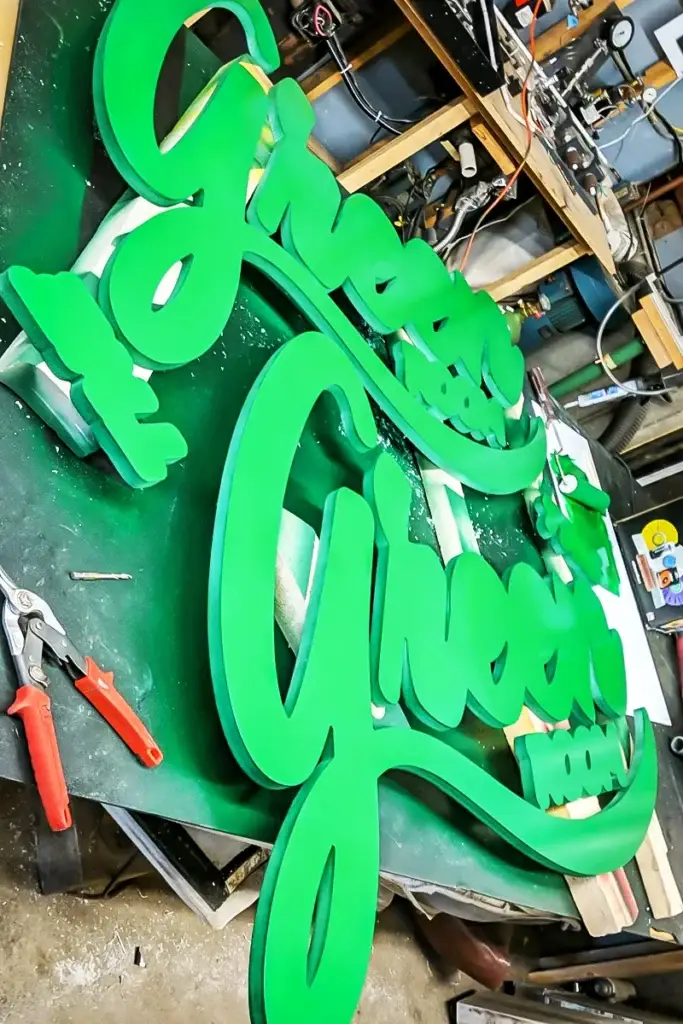
Effective sign design is crucial for capturing attention and conveying the right message. Key elements to consider in commercial sign design include:
- Clarity: The message should be easy to read and understand at a glance.
- Branding: Incorporate brand colors, logos, and fonts to maintain consistency across all marketing materials.
- Visibility: Consider the sign’s placement and lighting to ensure it is visible from various angles and distances.
- Durability: Choose materials that can withstand local weather conditions and maintain their appearance over time.
By focusing on these design principles, businesses can create signage that not only attracts customers but also reinforces their brand identity.
Sign Fabrication in NH
The fabrication of commercial signs involves selecting the right materials and techniques to ensure quality and longevity. Common materials used in sign fabrication include:
- Acrylic: Lightweight and versatile, acrylic is often used for illuminated signs and displays.
- Aluminum: Durable and weather-resistant, aluminum is ideal for outdoor signage.
- Vinyl: Used for banners and vehicle graphics, vinyl is cost-effective and available in various colors and finishes. For example, window tinting and vinyl graphics can enhance your storefront or vehicle branding.
Choosing the right materials is essential for achieving the desired aesthetic and functionality of the sign.
Local Ordinances and Advertising Regulations
Businesses must be aware of local ordinances and advertising regulations that govern signage in their area. These regulations can include:
- Permitting Requirements: As discussed, obtaining the necessary permits is crucial for compliance. For assistance, professional sign services can guide you through the process.
- Sign Placement: Regulations may dictate where signs can be placed, especially in relation to property lines and public rights-of-way.
- Content Restrictions: Some municipalities have restrictions on the types of messages that can be displayed, particularly for certain industries.
Staying informed about these regulations helps businesses avoid legal issues and ensures their signage is effective and compliant.
For businesses seeking comprehensive sign services, it’s essential to partner with a provider that understands these local nuances.
Maximizing Visibility and Compliance with NH Commercial Signage
Navigating the world of commercial signage in New Hampshire requires a solid understanding of the types of signage available, the permitting process, and local regulations. By following the guidelines outlined in this guide, businesses can effectively enhance their visibility and ensure compliance with state and local laws. Whether opting for static signs, digital displays, or vehicle graphics, the right signage can significantly impact a business’s success.
Additionally, businesses should consider wall murals to transform their space and create a unique atmosphere, enhancing customer experience and brand identity.
Partner with Signs East for Your Commercial Signage Needs
Ready to elevate your business visibility with expert commercial signage solutions? Signs East offers comprehensive sign services, including design, fabrication, installation, and repair. Our experienced team understands New Hampshire’s local regulations and can help you navigate the permitting process smoothly.
From monument signs and pole and pylon signs to digital readerboards and wall murals, we provide customized solutions tailored to your brand and business goals.
Contact us today to get started and make your business stand out with professional signage that lasts.