If your business is in Kingston, Southern New Hampshire, the Seacoast, or North Shore Massachusetts, choosing the right type of illuminated channel letters for your building can make the difference between a sign that stands out and one that blends into the background. Front-Lit and Halo-Lit channel letters both light up your sign, but they do so in fundamentally different ways that impact visibility, style, and installation details. At Signs East LLC in Kingston, NH, our team handles design, fabrication, and installation to get your sign done right—giving you tailored advice based on your building, logo, visibility goals, and site conditions.
Understanding the practical factors that affect sign performance will help you make an informed choice between these two popular channel letter styles.
What Are Front-Lit Channel Letters and When Are They Appropriate?
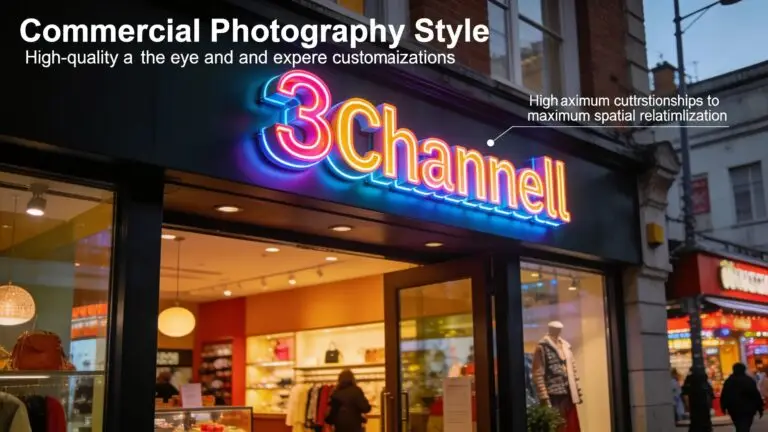
Front-Lit Channel Letters illuminate the face of each letter directly using LEDs mounted inside the letter cabinet. This direct lighting makes the letters bright and readable from moderate to longer distances and from varying angles. They perform well in daylight and dark evenings, including the longer nights and darker winters common in the Seacoast and North Shore regions. The illuminated faces can be made in various colors and finishes that show up crisply against most building exteriors.
Front-lit letters are a practical choice when you need your business name clearly visible from main roads, parking lots, or busy sidewalks frequently traversed in Kingston or nearby towns.
How Should Viewing Distance and Angle Influence Front-Lit Letter Selection?
When deciding on front-lit letters, consider how far and from which angles people will view the sign. For locations where viewers will approach from the front or slightly off-angle up to 45 degrees, front-lit letters deliver consistent, clear visibility. This makes them ideal for retail stores or office buildings along busy streets or shopping centers.
The face color affects daytime and nighttime visibility. Brighter face colors with translucent finishes provide more impact during the day, while vivid illumination at night ensures readability. Contrast between the letter face and your building’s wall color also matters—light-faced letters pop on darker walls, while darker faces can work on lighter backgrounds if well lit.
What Installation Factors Matter for Front-Lit Letters?
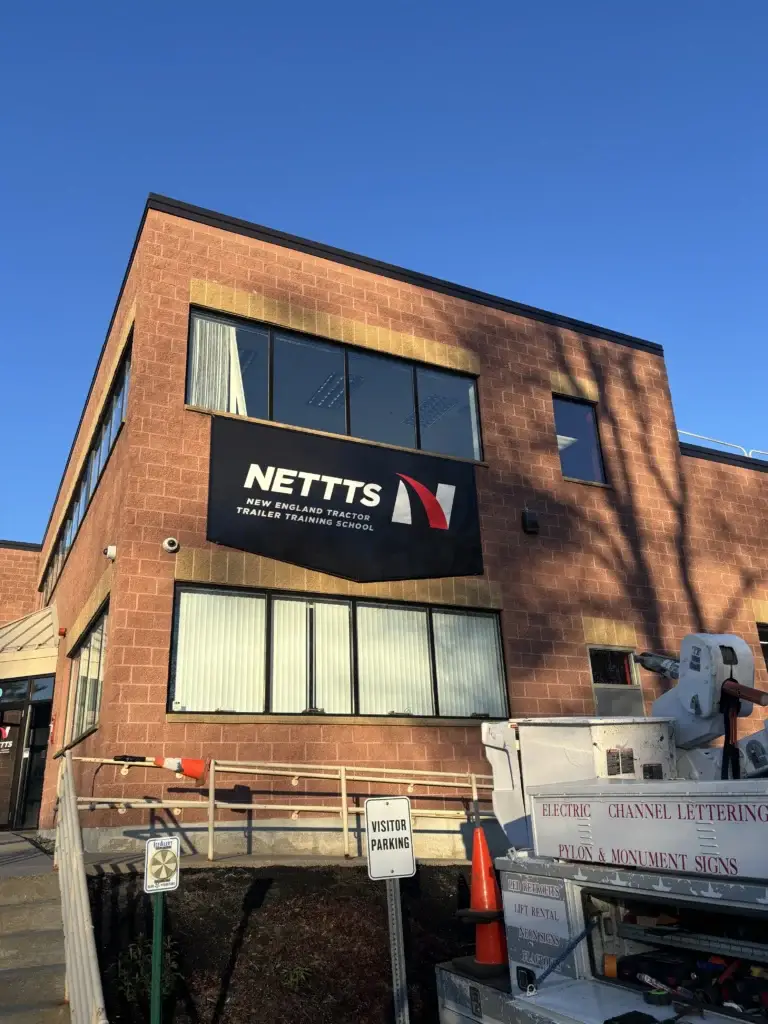
Front-lit letters can be direct-mounted flush to the wall or attached via a raceway—a metal box running behind the letters that houses wiring and transformers. Direct mounting looks cleaner but requires the building wall to have wiring access points behind each letter. Raceways simplify wiring but add a bulkier shadow behind the sign, which might not suit all architectural styles.
Installation access for mounting and future maintenance should be evaluated, especially for multi-story buildings or signs placed over windows, where a ladder or lift is needed. Landlord or property manager approval is usually required before installation in many retail centers or commercial buildings on the Seacoast and North Shore.
What Defines Halo-Lit Channel Letters and Where Are They Typically Used?
Halo-Lit Channel Letters, or backlit letters, use LEDs mounted inside to shine light behind the letter set, creating a glow around each character on the building wall. This indirect lighting offers a softer, more understated effect that emphasizes the building surface and creates a halo or shadow effect around the letters.
These signs are typically seen on businesses that want a refined look like hotels, boutique shops, and professional offices. The glowing light works especially well on smooth, matte or satin finishes and lighter-colored walls, where the halo shows clearly without competing illumination.
How Do Wall Color and Finish Affect Halo-Lit Letter Appearance?
The halo effect depends greatly on the wall color and texture behind the letters. Light-colored, smooth walls produce a more distinct glow, making the letters appear to float. Dark or rough surfaces can absorb light or produce uneven halos, which reduces the intended visual impact.
In regions like Southern NH and North Shore MA, many historic buildings or upscale storefronts have colors and finishes suited for halo lighting. Consider how the building facade looks at dusk and night, especially in fall and winter when days are shorter and the effect stands out more.
What Installation Considerations Are Important for Halo-Lit Letters?
Like front-lit letters, halo-lit letters can be directly mounted or mounted on a raceway. However, since the lighting points backward, precise spacing from the wall is critical to achieving a clean halo. This spacing needs secure mounting points and often a raceway to hold the LED components while maintaining proper distance.
Proper access for installation and future service and the need for landlord or property-manager permission apply equally. Special care might be needed if mounting on historic or sensitive building facades often found in Seacoast towns.
How Should Energy Use and Efficiency Be Considered for Both Lighting Types?
Both front-lit and halo-lit channel letters commonly use LED lighting. LEDs are efficient, long-lasting, and generate less heat compared to older lighting technologies. The actual energy use depends on letter size, brightness level, how often the sign operates, and wiring setup.
At Signs East LLC, we evaluate your building’s electrical capacity and access in Kingston and surrounding areas early in the design process to ensure your sign runs safely and reliably. We factor in maintenance access and proper installation to avoid premature failures or service difficulties.
Can Front-Lit and Halo-Lit Channel Letters Be Used Together Successfully?
Combining front-lit and halo-lit lighting on one sign is an option that offers layered visual effects. Front-lit letters provide clear, bright identification, while halo lighting adds dimensionality and depth.
What Are Practical Design and Installation Factors for Mixed Lighting?
You need an experienced team to coordinate electrical wiring and mounting properly since front-lit and halo-lit letters demand different mounting depths and wiring configurations. Ensuring access for installation and future maintenance remains key, especially when mixing lighting types increases complexity.
Planning must include visibility goals at various distances and angles, building wall color and texture impacts, and power availability on site. Relying on one local shop for design, fabrication, and installation simplifies the process and improves consistency.
How Does a Mixed Lighting Approach Enhance Branding and Visibility?
Front-lit faces give your sign direct visibility where it counts most, for example facing the main street or parking lot entrance. The halo effect can soften the sign’s edges where full brightness isn’t needed or highlight architectural features. The combined approach can suit buildings in busy Seacoast downtown areas where layered visibility wins attention from varying angles and speeds.
What Should Be Considered Regarding Installation and Maintenance?
Installation should account for your building’s structure, ease of access to the sign area, and electrical safety. A clean and secure mount reduces the risk of damage through weather or vibrations.
- Installation: Ensure mounting method—direct or raceway—matches building wall type and wiring capabilities.
- Maintenance: Plan regular inspections to check for burnt-out LEDs or water ingress, common in harsh New England weather.
- Safety: Use professional electricians for wiring, especially on older building electrical systems common in the Seacoast.
Routine cleaning and prompt light replacement extend the service life and keep your signage effective in all seasons.
How Do You Decide Which Channel Letter Style Suits Your Building and Brand?
Base your decision on a frank assessment of your building’s facade, your logo’s style, and what kind of visibility you need. A practical comparison includes:
- Building Elevation and Wall Condition: Smooth, light-colored walls favor halo-lit letters; darker or textured walls suit front-lit faces better.
- Viewing Distance and Angles: Longer distances benefit from front-lit letters; shorter or angled views can take advantage of halo lighting’s subtle glow.
- Visibility Goals: Do you want your sign to be a clear beacon visible from a distance, or a refined complement to your building’s look?
- Site Conditions and Access: Consider the complexity of installation and maintenance access for your location.
- Approval and Regulations: Check with your landlord or property manager early and review local ordinances for sign lighting restrictions common in Southern NH and North Shore municipalities.
Signs East LLC offers thorough consultations in Kingston, NH, and nearby areas to help you weigh these factors and select the right sign for your brand and location.
How Does Local Context in Southern NH, the Seacoast, and North Shore Affect Sign Choice?
Local architecture, lighting ordinances, and the reality of darker fall and winter evenings shape sign design and brightness levels. Seacoast and North Shore storefronts often have distinctive facades: front-lit letters usually work well on newer or mixed-use developments, while halo-lit signs blend nicely with historic brick or clapboard buildings.
Understanding how your building sits relative to roadways, pedestrian traffic, and adjacent signs will influence what style stands out best.
Get Started with Your Custom Channel Letters
Ready to find a channel letter sign that fits your building and brand? Contact the team at Signs East LLC in Kingston, NH to discuss your building’s specifics and get a clear picture of your options. Request a channel letter quote tailored to your location and visibility goals.